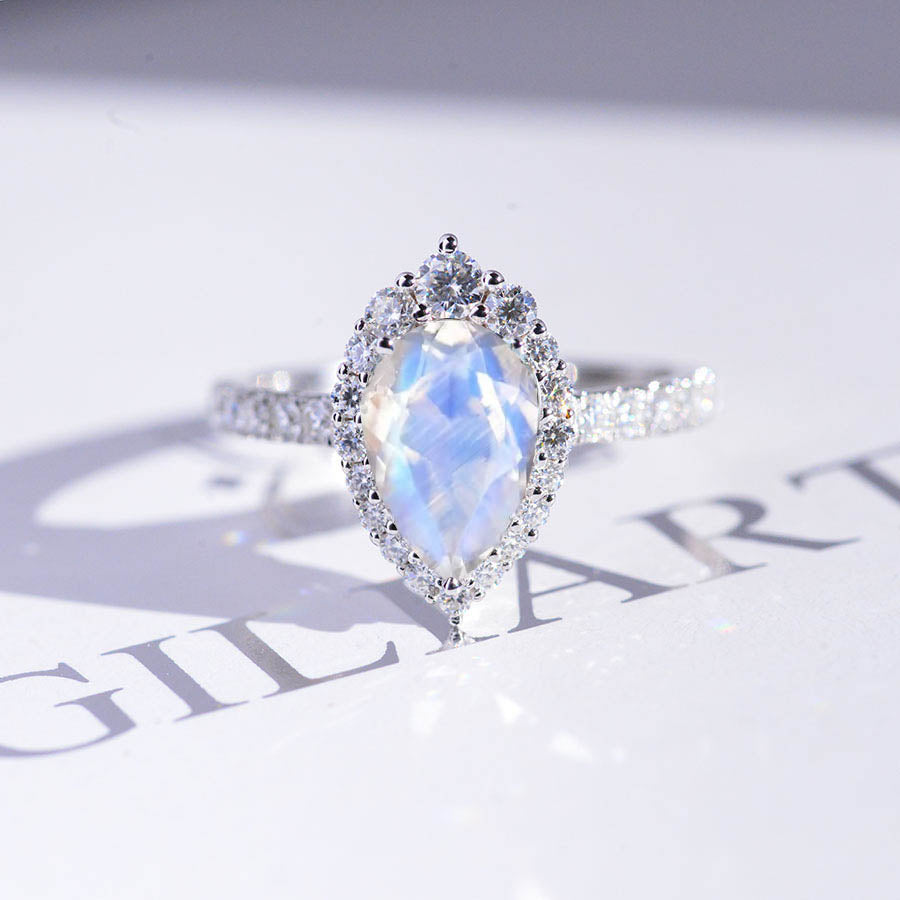

Pear-shaped diamonds have a distinctive silhouette that feels both elegant and unconventional. Their rounded end creates softness, while the tapered point adds a graceful, elongated appearance. For couples seeking something beyond traditional round solitaires, pear engagement rings offer an appealing balance of classic beauty and individual style.
Yet choosing this shape involves more than finding an attractive stone. Its proportions, setting, and diamond quality can significantly affect how the finished ring looks and wears.
Table of Contents
Why the Pear Shape Stands Out
A pear-cut diamond combines elements of the round brilliant and marquise cuts. Its asymmetrical outline gives jewelers flexibility to create delicate solitaires, vintage-inspired designs, and contemporary settings.
The shape also creates an interesting visual effect. Worn with the point facing the fingertip, a pear diamond can make the finger appear longer. Reversing its direction produces a different look, allowing personal preference to guide the choice.
Unlike round diamonds, pear cuts vary noticeably in their outlines. Some have broad, rounded shoulders, while others feature a narrow, elongated profile. Neither is automatically better. The right proportions depend on the wearer’s taste and the overall ring design.
Finding the Right Diamond Proportions
A pear diamond’s length-to-width ratio helps determine its appearance. Ratios around 1.45 to 1.60 often create a balanced, elongated silhouette, although attractive stones exist outside this range.
A shorter stone may appear fuller and softer. A longer stone usually creates a more dramatic, slender outline. Comparing diamonds side by side provides a better sense of these differences than relying on measurements alone.
Symmetry deserves particular attention. The pointed tip should align with the center of the rounded end, and both shoulders should appear balanced. Uneven curves can make the diamond look slightly twisted, especially in a simple solitaire setting.
Pay Attention to the Bow-Tie Effect
Many elongated brilliant-cut diamonds display a dark area across their center, commonly called the bow-tie effect. It results from the interaction between the diamond’s proportions, facets, and light.
A subtle bow tie is normal and may be barely noticeable during everyday wear. A prominent dark band, however, can interrupt the stone’s brilliance.
Examine videos taken under different lighting conditions whenever possible. A diamond that looks bright in a studio photograph may show stronger contrast when it moves.
Choosing a Setting That Protects the Point
The pointed end is one of the most vulnerable parts of a pear-cut diamond. A protective V-shaped prong helps shield this area from accidental impacts.
For everyday wear, several settings deserve consideration:
-
Solitaire: Keeps attention on the center diamond and highlights its distinctive outline.
-
Halo: Surrounds the center stone with smaller diamonds, adding sparkle and visual size.
-
Bezel: Encircles the diamond with metal, offering protection when properly designed.
-
Three-stone: Pairs the pear center with complementary side stones for a more elaborate appearance.
A well-designed setting should also hold the rounded end securely without overwhelming the diamond. Ask the jeweler to explain how the stone is supported and whether the ring can accommodate a straight wedding band.
Diamond Quality Beyond Carat Weight
Carat weight measures a diamond’s mass, not its visible dimensions. Two pear diamonds with identical carat weights can look different in size because of their proportions and depth.
Color also deserves careful evaluation. Some pear-shaped stones show more visible color near the pointed tip, particularly in lower color grades. Viewing the diamond against the intended metal helps reveal whether this matters aesthetically.
Clarity should be assessed with similar care. Inclusions near the tip or close to the surface may deserve greater scrutiny than small inclusions hidden elsewhere.
For buyers considering lab diamonds, the same visual standards apply. Laboratory-grown diamonds have essentially the same chemical, physical, and optical properties as natural diamonds. Their origin differs, but neither category guarantees excellent cutting or attractive proportions.
Independent grading reports from recognized laboratories, such as GIA or IGI, provide useful information about diamond characteristics. However, fancy-shaped diamonds generally require visual assessment beyond the report’s measurements.
Matching the Metal to Your Style
Metal choice influences both appearance and maintenance. Platinum offers a naturally white finish and develops a patina over time. White gold provides a similar appearance but may need occasional rhodium replating.
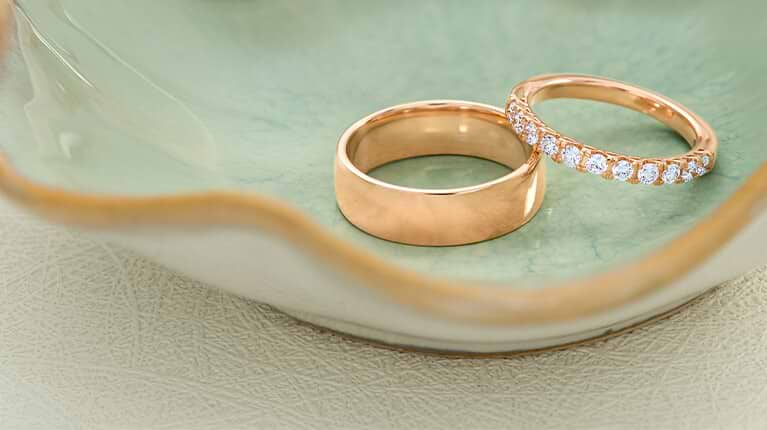
Yellow gold creates a warmer contrast against colorless diamonds, while rose gold introduces a softer, romantic tone. Consider the color of jewelry the wearer already owns, especially pieces worn daily.
Everyday Comfort and Long-Term Care
Before purchasing, try the ring with a wedding band. Some pear settings leave a gap between the two rings, making a curved or contoured band worth considering.
Check the ring’s height, too. A low-profile setting may catch less frequently on clothing, although its suitability depends on the stone and design.
Regular cleaning with mild dish soap, warm water, and a soft brush helps remove everyday buildup. Have a jeweler inspect the prongs periodically, particularly around the pointed tip.
Making a Confident Final Choice
The most satisfying pear engagement rings combine attractive proportions, secure craftsmanship, and a design suited to everyday life. Compare actual diamond dimensions, examine moving videos, and review return and resizing policies before purchasing.
If considering lab diamonds, verify their origin and documentation rather than judging quality by price alone. Ultimately, a beautifully balanced stone in a comfortable, protective setting offers more lasting satisfaction than impressive specifications on paper.