


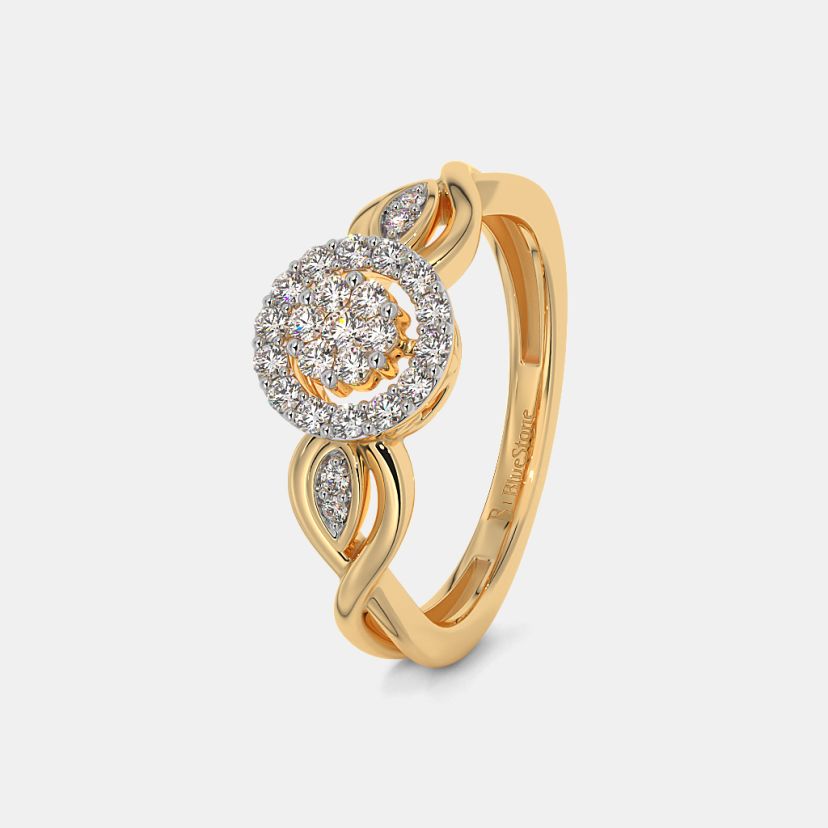
Whether you are clearing out a jewelry box, settling an estate, or turning inherited pieces into cash, finding a secure buyer matters. In Australia, major cities like Adelaide and Melbourne host a wide range of options — from independent pawnbrokers and specialist bullion dealers to national chains and online platforms. This article walks you through what to expect, how to prepare, and how to choose the most dependable and profitable route when dealing with gold buyers Adelaide, Melbourne gold buyers and beyond.
Table of Contents
Why the Choice of Buyer Matters
Gold can be both sentimental and valuable. But the difference between a fair payout and a poor deal often comes down to the buyer. Some outlets pay close to the live market (spot) price and transparently deduct assay or refining fees; others offer convenience but low conversion rates. Knowing how gold is assessed, what charges to expect, and where to look for reputable dealers will help you keep more of the value in your pocket while avoiding scams and unnecessary costs.
Understanding What Buyers Are Actually Paying For
Purity (Karat and Fineness)
Gold’s purity is commonly quoted in karats (e.g., 24K, 18K) or fineness (e.g., 999, 750). Pure gold is 24-karat or 999 fineness; most jewelry contains alloys that lower the gold content. Buyers calculate the melt value based on the actual gold content.
Weight
Usually measured in grams or troy ounces; buyers will weigh pieces on calibrated scales.
Condition and Style
For collectible or designer pieces there may be a premium; however, most buyers assess primarily for melt/scrap value unless the piece has strong numismatic or brand demand.
Market (Spot) Price
Reputable buyers base offers on the current spot price of gold, minus a margin and any processing or assay fees.
Other Metals and Stones
Platinum and silver are assessed separately. Gemstones often do not add to the melt value and can even reduce it if they’re difficult to remove.
Where to Sell: Comparing Options in Adelaide and Melbourne
Both Adelaide and Melbourne offer similar categories of buyers, but each has strengths. Melbourne, being larger, has a broader selection of specialist dealers and a vibrant bullion market; Adelaide offers a close-knit community of trusted local shops and pawnbrokers that can provide personal service.
Bullion Dealers and Coin Shops
Best when you have investment-grade products (bars, coins) and want market-competitive rates. They often trade on spot price and can provide instant payouts.
Jewelry Stores
Some reputable jewelers buy used jewelry, particularly boutique stores that can resell or refurbish items. Their offers vary widely; always get a written estimate.
Pawnbrokers
Provide immediate cash but generally offer lower returns because they factor in the risk of default. Good for quick access to money.
National Cash-for-Gold Chains
Convenient and often advertise immediate payment. Quality and transparency vary; always read the fine print about testing and fees.
Online Buyers
Offer convenience and sometimes competitive prices, but check shipping, insurance, turnaround time for assay, and payment method.
Refiners
For large quantities or scrap from businesses, working directly with a refinery yields better returns but often requires minimum volumes.
How to Prepare Your Gold for Sale
A little preparation can improve the selling experience and sometimes the offer.
- Clean gently: Wipe dirt or residue away — don’t use harsh chemicals. A soft toothbrush and mild soapy water are usually fine.
- Gather documentation: Receipts, certificates, or appraisals will help substantiate designer brands or investment-grade items.
- Separate items: Group pure pieces (24K) separately from lower-karat jewelry so buyers don’t under-assess.
- Know the spot price: Having a rough idea helps you evaluate whether an offer is reasonable.
- Remove non-gold parts: If practical, remove clasps or stones that are not gold and could complicate the melt value; however, leave this to professionals if you’re unsure.
Red Flags and How to Avoid Being Short-Changed
A secure buyer is transparent about testing methods and deductions. Watch out for:
- No clear breakdown: If the buyer won’t explain how they arrived at the figure — spot price minus fees — walk away.
- Uncalibrated scales: Always insist on a visible, calibrated weighing scale.
- Aggressive pressure tactics: High-pressure sales or insisting you accept their first offer is a warning sign.
- Refusal to provide paperwork: A reputable dealer will provide a receipt or contract outlining the sale.
- Too-good-to-be-true offers: Extremely high upfront offers can be a lure; always verify the business’s reputation before committing.
Practical Tips to Get the Best Price
- Shop around: Get multiple quotes. In cities like Adelaide and Melbourne you can compare offers from several local shops and online services.
- Ask about fees: Some buyers take a flat assay fee; others take a percentage. Clarify whether the fee is deducted from the gross or net offer.
- Sell in lots: If items are small, combining them into one sale often yields a better per-gram rate.
- Consider timing: Gold prices fluctuate. If you’re not in a rush, monitor the spot price and sell when it’s favorable.
- Negotiate respectfully: If you have other offers, mention them — many independent buyers will meet competitive quotes to secure the deal.
Regulatory and Identification Requirements
Australian buyers will typically ask for ID when purchasing precious metals to comply with anti-money laundering and record-keeping regulations. Be prepared to:
- Provide a government-issued photo ID (driver’s license or passport).
- Sign a receipt or contract documenting the transaction.
- Supply extra documentation for high-value transactions or when selling estate items.
These steps protect both the buyer and the seller and are standard for reputable businesses.
Environmental and Ethical Considerations
Selling or recycling unwanted gold contributes to a circular economy — recycling reduces the need for new mining and lessens environmental impact. Reputable buyers should be able to confirm that items will be responsibly refined, not exported illegally, and that chain-of-custody measures are in place for higher-value consignments.
If ethical sourcing matters to you, ask buyers whether they adhere to responsible sourcing standards or work with certified refiners.
Case Study: Choosing Between Local and Online in Practice
Imagine you’ve received three offers: a local Adelaide jeweler, a Melbourne bullion dealer, and an online buyer. The local jeweler values designer pieces higher because they can refurbish and resell; the Melbourne bullion dealer offers the closest rate to spot for bullion and coins; the online buyer is reasonably competitive but deducts shipping and assay fees. Depending on what you’re selling, the best option varies:
- Designer jewelry or pieces with resale potential: Local boutiques or specialist antique dealers may pay a premium.
- Bullion/coins and high-purity items: Bullion dealers and refiners generally offer the best returns.
- Convenience and speed: Online buyers or national chains are convenient, but always check their net offers after fees.
Takeaway: Match the buyer to the asset type and your priority (maximum price vs. convenience).
Conclusion — Make an Informed Choice
Whether you’re dealing with gold buyers Adelaide, Melbourne gold buyers, or sellers in other Australian cities, knowledge is your best asset. Understand purity and weight, compare multiple offers, scrutinize fees and paperwork, and choose a buyer whose business practices are transparent and ethical. Good preparation — cleaning items carefully, gathering provenance, and separating metals — can improve the offer you receive. And finally, don’t overlook the value of reputation: check reviews, ask for references, and trust your instincts. With the right approach, you’ll sell your gold confidently and secure a fair result.