
Let’s be honest—shopping for diamonds can feel like stepping into a maze with no map. igi vs gia, lab diamonds, natural diamonds, certifications, clarity grades… it’s enough to make anyone’s head spin. But here’s the thing: you don’t have to be a gemologist to figure this out. You just need a little guidance and some straight talk about what really matters.
Table of Contents
Background: Diamonds, Stories, and a Little Confusion
Think about it: when was the last time a piece of jewelry actually told a story? A real one, not just “I bought this because it’s shiny.” Diamonds are marketed as symbols of love, commitment, and even status—but the truth is, a lot of that sparkle comes with layers of confusion.
IGI vs GIA, for instance. These are both diamond grading labs, and if you’re like me, the acronyms alone might make you feel a little dizzy. GIA (Gemological Institute of America) is probably the one you’ve heard everywhere. They’re like the Ivy League of diamond grading—basically the gold standard. IGI (International Gemological Institute) is also respected, but some people say they’re a bit more lenient when it comes to grading. Honestly? That means a diamond graded “slightly better” by IGI might be a notch lower in GIA’s eyes.
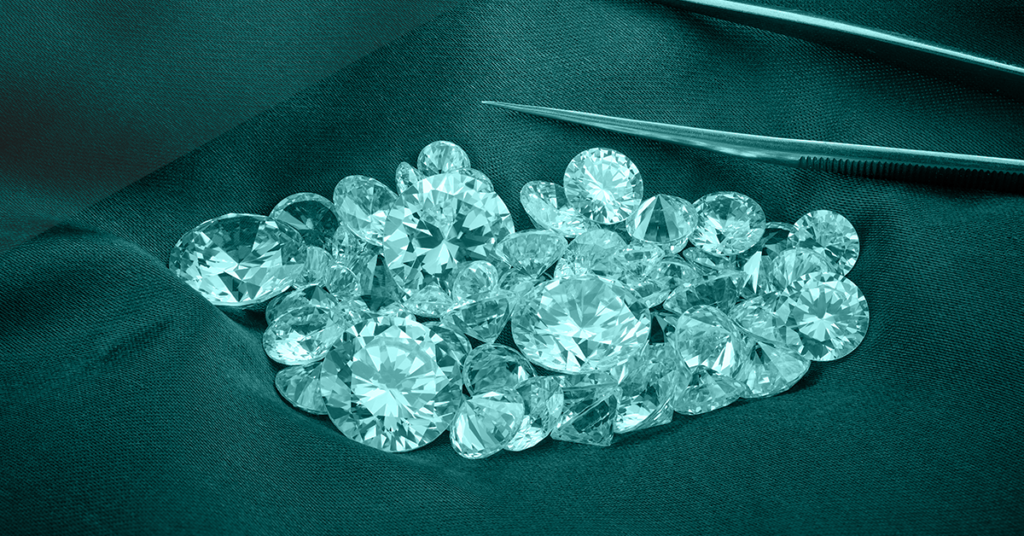
Now, sprinkle in lab diamonds. You might be surprised—these babies aren’t cheap knock-offs. They’re real diamonds, just made in a lab instead of mined from the earth. And honestly, for many people, lab diamonds are not just a budget-friendly option—they’re ethical, sustainable, and sometimes more flawless than their mined cousins.
Options, Trends, and Advice: What Works Today
So, where does that leave you? Let’s break it down casually, no fluff:
1. Certification matters—kind of a big deal
If you’re buying a diamond, don’t just eyeball it. Ask: who graded it? IGI vs GIA? Knowing this can save you from buyer’s remorse. Think of it like restaurant reviews—GIA might be that Michelin-star restaurant, IGI the trendy bistro. Both good, but one might be more “trustworthy” when it comes to specifics.
2. Lab diamonds aren’t “lesser”
To be fair, some people are old-school and insist only on natural diamonds. But lab diamonds today can be flawless, sparkly, and way kinder to the planet. Plus, they cost less, which is great because let’s face it—you probably have a lot of other wedding expenses.
3. Mix it up—your budget, your story
Here’s a little trick: you can go for a smaller, high-quality GIA diamond or a slightly bigger lab diamond graded by IGI. Both look gorgeous on the finger. In fact, I’ve seen couples go completely lab-grown and barely anyone notices. Tip: try them in real light before committing. Lighting changes everything.
4. Don’t get too caught up in perfection
Clarity, color, carat—yeah, they matter, but let’s be real: a slightly included diamond in a beautiful setting can still make jaws drop. Sometimes, it’s more about the moment than the minutiae.
Local Angle: Why Where You Buy Matters
Here’s where it gets interesting. Let’s say you’re shopping in Hong Kong, or any city known for its diamond scene. You’ll notice the same diamonds can feel totally different depending on the jeweler. Some stores specialize in IGI vs GIA-certified diamonds. Others have an amazing selection of lab diamonds you can customize.
It’s not just about certification—it’s about the experience. I’ve walked into stores where staff actually talk about the story behind the diamond. And let’s be honest, that’s way more memorable than hearing the word “inclusion” repeated 15 times.
Plus, local market trends can affect pricing. Lab diamonds might be a bigger hit in cities that emphasize sustainability or have a younger clientele. And when it comes to customization? Certain regions just get it. You want your ring to reflect you—not just a standard catalog photo.
Process: How This Whole Thing Actually Works
Okay, let’s demystify the steps a bit. Imagine buying a diamond like assembling IKEA furniture—but with more sparkle and fewer Allen wrenches.
Set your priorities
Decide what matters most. Size? Brilliance? Ethics? Budget? Write it down. Trust me, it helps.
Choose your certification
IGI vs GIA isn’t just alphabet soup. Check which lab graded the diamond, compare reports online if you can, and don’t hesitate to ask questions.
Lab vs natural
Here’s where opinions get real. Lab diamonds offer ethical peace of mind and often more clarity. Natural diamonds carry that mined-from-earth mystique. There’s no wrong choice—only what feels right for you.
See it in real life
Pictures are great, but light does weird things. Try multiple angles, move it under different lights, maybe even take a friend. Yes, it’s a little over the top, but diamonds deserve a test drive.
Finalize your setting
The band, the prongs, the overall vibe—this is where personality really comes in. You could have the most expensive, perfectly graded stone in the world, but if the setting doesn’t suit you, it just doesn’t work.
Conclusion: Sparkle With Confidence
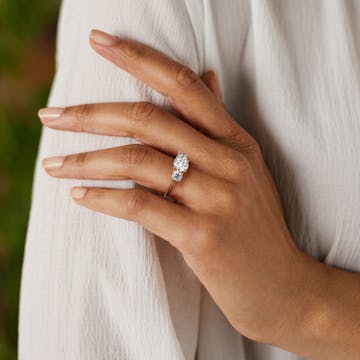
At the end of the day, whether you’re debating IGI vs GIA or wondering if lab diamonds are “the real deal,” the choice is about more than grades and specs. It’s about a ring that tells your story, fits your style, and feels right on your hand.
And honestly? lab diamonds are here to stay. They’re not just a compromise—they’re a brilliant option in today’s market, letting people shine ethically, affordably, and beautifully.
So, next time someone asks why you didn’t go full GIA or insist on a natural diamond, just smile. You know the truth: it’s your sparkle, your story, and your rules.