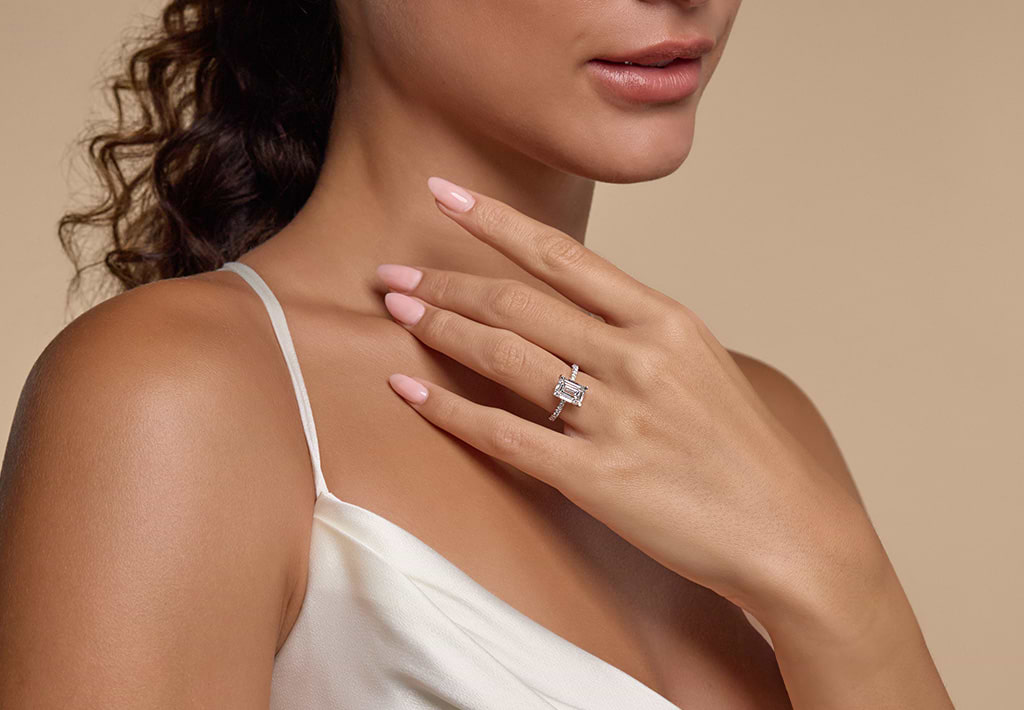

When you choose fine jewelry you make two key decisions. You choose the metal. You choose the stone. platinum 950 lab made diamonds bring those two decisions into sharp focus. You get a high purity metal and a diamond grown with modern technology. If you are planning an engagement ring or a long term piece you need to understand what this combination means for you.
This guide gives you clear facts. You will learn how platinum 950 works. You will learn how lab made diamonds are created. You will also learn how to judge quality and how to buy with confidence.
Table of Contents
What Platinum 950 Means
Platinum 950 refers to the purity of the metal. The number 950 means that 95 percent of the alloy is pure platinum. The remaining 5 percent is usually another metal such as iridium or ruthenium. That small portion improves strength and workability.
Platinum is dense and heavy. When you hold it you feel the weight. That weight often signals durability. Unlike white gold platinum is naturally white. It does not rely on a surface coating to maintain its color. Over time it develops a soft surface texture called a patina. Some people like this look. If you prefer a bright finish you can have it polished.
For daily wear platinum is practical. It resists corrosion. It holds prongs securely. If metal is displaced it tends to move rather than wear away. That matters when your diamond is set with small claws that must stay strong for years.
You should also know that platinum is hypoallergenic. If you have sensitive skin this is a safe option. You do not have to worry about nickel content because platinum alloys do not rely on it.
How Lab Made Diamonds Are Created
Lab made diamonds are real diamonds. They have the same chemical structure as mined diamonds. Both are made of carbon arranged in a crystal lattice. The difference is origin.
In a lab scientists use one of two main processes. The first is High Pressure High Temperature. It mimics the natural conditions deep within the earth. The second is Chemical Vapor Deposition. In this method carbon rich gas is heated in a chamber and bonds to a small diamond seed.
The result is a diamond with the same hardness and brilliance as a mined stone. It can be graded by the same standards. When you look at a grading report you will see the familiar four Cs. Cut color clarity and carat weight.
If you want a larger stone within a set budget lab grown can make that possible. Production costs are usually lower than mining costs. That difference often shows in the final price you pay.
Why Pair Platinum 950 With Lab Made Diamonds
When you combine platinum 950 lab made diamonds you create a piece built for longevity and precision. Platinum holds stones firmly. Lab made diamonds can be cut to exact proportions with advanced planning. The pairing supports a clean and balanced design.
You benefit from strength and consistency. Platinum does not thin out quickly with wear. A well cut lab diamond maintains sharp edges and strong light return. Together they form a stable structure for everyday use.
This combination also offers transparency. Most lab diamonds are sold with clear documentation of origin and grading. Platinum purity is stamped inside the band. You can verify what you are buying without guesswork.
How To Evaluate Quality
Do not rely on appearance alone. Ask for documentation.
For the diamond request a grading report from a recognized laboratory. Check the cut grade first. Cut affects sparkle more than carat weight. Look for Excellent or Ideal where possible. Then review color and clarity. Decide what level matters to you. In many cases a near colorless diamond with minor inclusions invisible to the eye gives strong value.
For the platinum confirm the 950 stamp. Ask what alloy metals are used in the remaining 5 percent. Ruthenium alloys are common and provide strength. Also examine the finish. Look at the polish and the symmetry of the setting.
Hold the ring if you can. Feel the weight. Check the prongs. They should be even and secure. Small details signal careful workmanship.
Setting Styles That Work Well
Platinum is well suited for prong settings. The metal is strong enough to hold thin prongs that show more of the diamond. If you want a solitaire this is a practical choice.
Bezel settings also work well. Platinum can be shaped closely around the diamond edge. This gives added protection. If you lead an active lifestyle this may be the safer option.
For pavé designs platinum supports small stones with tight spacing. Its strength reduces the risk of stone loss when properly made. Always inspect small settings closely. Even with a strong metal poor workmanship can cause issues.
When choosing a design focus on how you live. If you use your hands often select a lower profile ring. If you prefer a statement look accept that higher settings require more care.
Budget Planning
Set a clear budget before you shop. Divide it between the stone and the setting. In many cases the diamond takes the larger share.
Lab made diamonds often cost less per carat than mined stones of similar grade. That allows you to increase size or improve cut quality. Decide which factor matters most to you. A slightly smaller diamond with excellent cut often looks brighter than a larger stone with average proportions.
Platinum 950 costs more than 14K or 18K gold in many markets. Its density and purity contribute to that cost. When you review pricing compare total value not just initial price. A durable metal can reduce long term repair costs.
Ask the jeweler to provide a full breakdown. Know what you are paying for. Transparency helps you make a rational choice.
Care And Maintenance
Platinum requires simple care. Clean your ring with warm water mild soap and a soft brush. Rinse and dry with a lint free cloth. Do this regularly to remove oils and dirt that reduce sparkle.
Expect surface marks over time. These are not metal loss. They are small displacements that form a patina. If you want a brighter look have the ring polished by a professional. This can be done during routine inspections.
Have prongs checked once a year. Even strong metals can shift with impact. A quick inspection prevents stone loss.
Lab made diamonds require the same care as mined diamonds. They rank 10 on the Mohs hardness scale. They resist scratching but can chip if struck hard at certain angles. Remove your ring during heavy manual work.
Ethical And Environmental Considerations
Some buyers choose platinum 950 lab made diamonds because they want more control over sourcing. Lab production reduces the need for mining. It also allows clearer tracking of origin.
Platinum mining still involves environmental impact. However platinum is highly recyclable. Many jewelers use recycled platinum in new pieces. Ask about sourcing if this matters to you.
If you value traceability request written information. Reputable sellers provide it without hesitation.
Common Misconceptions
One misconception is that lab made diamonds are not real. They are real in composition and performance. The difference lies in origin not structure.
Another misconception is that platinum is maintenance free. It is durable but not immune to surface change. You should expect normal wear and plan for periodic polishing if desired.
You may also hear that heavier always means better. Weight reflects density not craftsmanship. A well designed ring balances strength and comfort. Try different widths and profiles before deciding.
Making The Final Decision
Before you buy review three points. First confirm the diamond grading report. Second verify the platinum 950 stamp. Third inspect the craftsmanship in person if possible.
Do not rush. Compare at least two or three options. Take notes. Look at the ring under different lighting. Ask direct questions about warranty and resizing policies.
When you feel confident about the facts the choice becomes straightforward. platinum 950 lab made diamonds offer strength clarity and consistency. If those qualities align with your priorities this combination serves you well.
Your jewelry should fit your life. Choose materials that support daily wear. Choose a diamond cut that delivers light not just size. Focus on structure and documentation rather than trends.