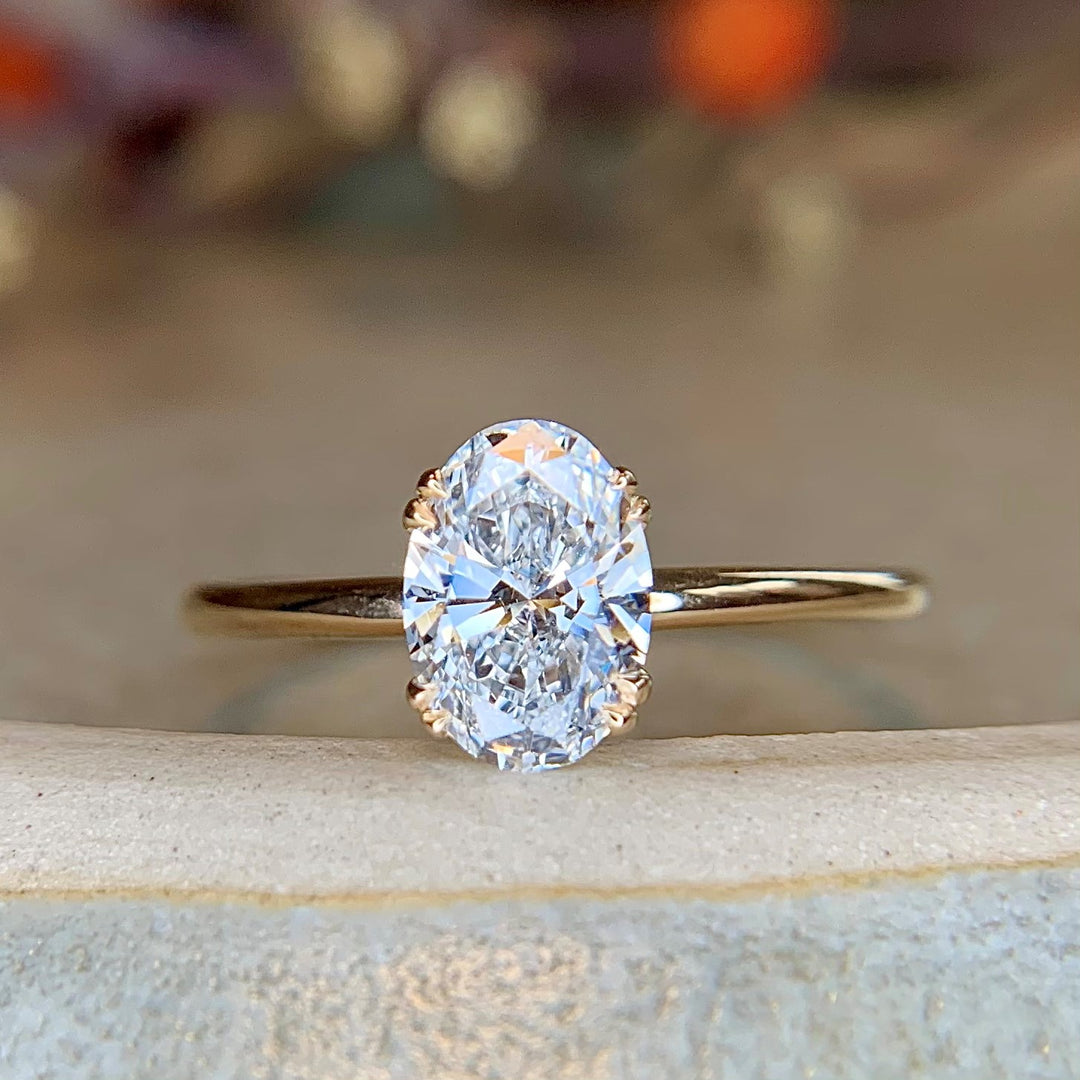

An engagement ring should feel as comfortable on an ordinary Tuesday as it looks beautiful during a proposal. Halo settings offer an appealing balance between visual impact, intricate craftsmanship, and personal style. A border of smaller diamonds surrounds the center stone, creating a distinctive outline and additional sparkle.
The appeal of diamond halo engagement rings extends beyond their appearance. With thoughtful choices about stone shape, setting height, and metal, couples can create a ring that suits their budget and everyday routine.
Table of Contents
Why Halo Settings Make Diamonds Look Larger
A halo increases the visible surface area of an engagement ring without increasing the actual size of its center diamond. The surrounding stones catch light from different angles, giving the entire setting a fuller appearance.
For example, a 0.75-carat round diamond with a well-proportioned halo may offer more finger coverage than a larger solitaire. This makes the design worth considering for couples who want a substantial-looking ring without allocating most of their budget to a single stone.
The spacing between diamonds also influences the finished appearance. A closely fitted halo creates a continuous outline, while a slightly separated design emphasizes the individuality of the center stone.
Choosing a Diamond Shape That Complements the Halo
Different diamond shapes give halo settings distinct personalities. The proportions of the surrounding stones can soften angular edges, emphasize symmetry, or create an elongated silhouette.
Round and Cushion Cuts
Round brilliant diamonds suit traditional halo settings because of their balanced shape and light performance. Cushion-cut diamonds have rounded corners that complement softer, vintage-inspired designs.
Both shapes work particularly well with delicate bands that allow the center setting to remain the focal point.
Oval and Pear-Shaped Diamonds
Oval diamonds create an elongated appearance across the finger. A matching halo emphasizes this shape without requiring an especially wide band.
Pear-shaped diamonds offer a more distinctive silhouette. Buyers should pay particular attention to the pointed tip and ensure the setting provides adequate protection against accidental impact.
Lab-Grown Diamonds and Engagement Ring Budgets
The availability of man made diamonds gives couples another option when selecting their center stone and surrounding accents. Laboratory-grown diamonds have essentially the same chemical, physical, and optical properties as natural diamonds, although their origins differ. They should not be confused with diamond simulants such as cubic zirconia.
Lab-grown stones generally cost less than comparable natural diamonds, allowing buyers to allocate more of their budget toward craftsmanship, metal quality, or customized details.
Ask whether the quoted carat weight refers to the center diamond or the combined weight of every diamond in the ring. A ring advertised as having one carat of total diamond weight does not necessarily contain a one-carat center stone.
For additional transparency, request an independent gemological report for the main diamond and confirmation of the origin of the smaller accent stones.
Setting Styles That Suit Different Lifestyles
Appearance matters, but the construction of an engagement ring determines how comfortably it fits into everyday life. Consider working habits, hobbies, and personal jewelry preferences before settling on a design.
Classic, Double, and Hidden Halos
A classic halo features a single border of accent diamonds around the center stone. A double halo adds another row, creating a wider and more decorative setting.
A hidden halo places smaller diamonds beneath the center stone, where they are primarily visible from the side. This arrangement suits someone who appreciates the simplicity of a solitaire but wants additional detailing.
Setting Height and Metal Selection
Low-profile settings can be practical for people who frequently wear gloves or work with their hands. Higher settings may provide more clearance for a straight wedding band but can also catch on clothing.
Platinum offers durability and a naturally white appearance. Yellow gold creates an attractive contrast against colorless diamonds, while rose gold introduces warmer tones. White gold with rhodium plating may require occasional replating to maintain its finish.
Shopping for Halo Rings During the Holiday Season
Christmas and New Year’s Eve provide meaningful opportunities for proposals, particularly when couples associate these celebrations with personal traditions.
However, seasonal shopping requires careful planning. Custom settings, engraving, and resizing may take longer during busy holiday periods.
In the United States, Black Friday and Cyber Monday offer opportunities to compare engagement ring prices. Boxing Day sales are also established shopping occasions in Canada, the United Kingdom, and Australia.
Rather than focusing exclusively on advertised discounts, compare diamond specifications, setting quality, warranties, and return conditions. Check whether customized jewelry qualifies for exchanges before completing a purchase.
Visiting a local jewelry store can also help buyers assess ring proportions, try different settings, and discuss adjustments before a planned proposal.
Details Worth Checking Before Purchasing
When comparing diamond halo engagement rings, examine the craftsmanship as carefully as the center diamond. Small construction details can influence comfort, maintenance, and long-term durability.
Pay particular attention to the following:
-
Diamond consistency: Surrounding stones should have a reasonably uniform appearance.
-
Prong security: Small diamonds should sit securely within their individual settings.
-
Band thickness: The band should provide adequate structural support without feeling uncomfortable.
-
Wedding band compatibility: Check whether a straight or curved wedding band fits alongside the engagement ring.
-
Aftercare services: Ask about resizing, professional cleaning, inspections, and replacement accent stones.
View the ring under natural daylight and ordinary indoor lighting whenever possible. Jewelry display lighting can make differences between diamonds less apparent.
Caring for a Halo Engagement Ring
Intricate settings can collect soap residue, skin oils, and dirt between their smaller diamonds. Regular cleaning helps preserve brightness and prevents buildup around the setting.
The Gemological Institute of America (GIA) recommends gentle cleaning with warm water, mild soap, and a soft brush. Professional inspections can also identify worn prongs and loose stones before they become more serious problems.
Remove the ring before gardening, lifting weights, swimming, or undertaking household tasks that involve harsh chemicals. Store it separately from other jewelry to prevent unnecessary damage.
Choosing a Ring Beyond the Proposal
The most suitable diamond halo engagement rings combine attractive proportions, reliable craftsmanship, and details that reflect the wearer’s preferences. Seasonal discounts may influence purchasing decisions, but long-term comfort deserves greater consideration.
Couples considering man made diamonds can also benefit from comparing stone quality and setting construction rather than focusing solely on carat weight.
A well-chosen engagement ring should remain practical and meaningful long after the Christmas decorations come down and the New Year’s celebrations end.