
Table of Contents
Things to know before buying
Picking a ring for marriage takes serious thought. Something classic in style, meaningful to you, one that matches white gold engagement rings what you can spend. A lot of people check different metals before deciding on a design. Bright and sleek, white gold catches eyes easily, works smoothly with nearly any kind of gem shape. Lately, curiosity has grown around lab-created stones instead. Stone that feels authentic, stands up to time, yet costs less – this is what people actually look for. When your goal lines up here, clarity comes from knowing which details weigh heaviest. The right pick shows itself once noise fades.
Man Made Diamonds Explained
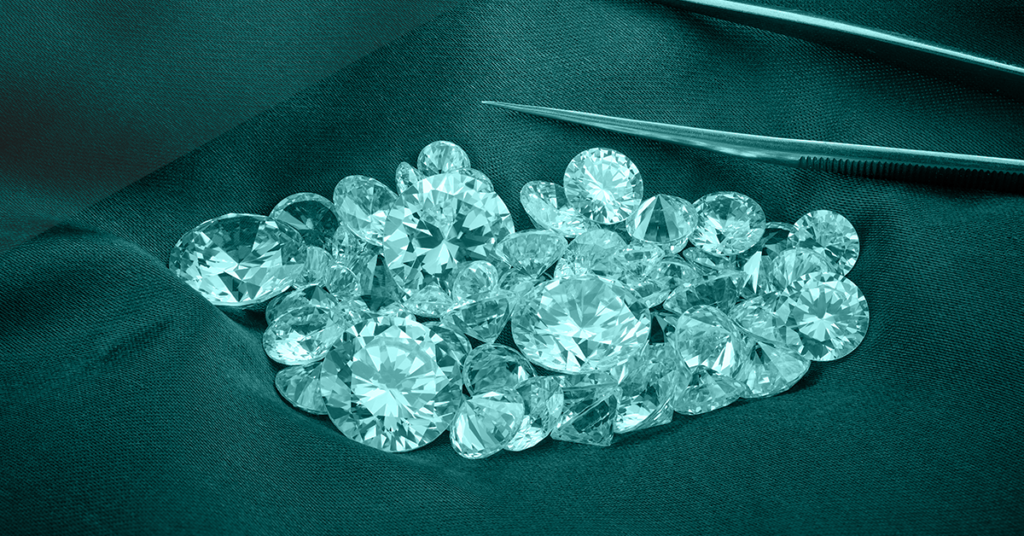
Out here, human-made diamonds turn out just like natural ones – grown in labs, not dug up. Identical on the inside, atom by atom. Not fakes such as zircon or clear glass bits. So they bring what you’d expect:
- Real diamond hardness
- Real sparkle and light performance
- Use in fine jewelry
- Certification options
Mine or made, they look identical unless you’ve got special gear to check. Most folks won’t spot a distinction just by staring at them. A jeweler might need equipment before seeing any real contrast. Without training, one seems like the other every single time.
Buyers Pick Them
Most people choose it because of cost. For the same amount of money, a bigger or clearer stone might be possible. This opens up choices in how the ring looks overall. Take size, sparkle, or purity – options grow when price isn’t fixed on one type. Imagine spending the same but getting a brighter, larger gem grown in a lab instead of pulled from earth. Most people feel better knowing where things come from. Yet they care just as much about how it gets made along the way.
White Gold Paired With Today’s Diamond Options
Shiny and clean-looking, white gold fits well with transparent gems. A blend of yellow metal plus silvery alloys creates its pale tone. Often topped off with rhodium, the finish turns sharp and reflective. People choose it – matches nearly everything they already own
- Neutral color that suits most diamonds
- Classic bridal look
- Fine with everyday use
- More often priced below platinum
A fresh sparkle meets the eye when white gold holds a lively gem at its heart. The look tends to feel sharp, yet quietly elegant.
How to Judge Diamond Quality
Start with clarity – how clear the stone looks matters just as much for natural diamonds as it does for those made in labs. Next up: color, because even slight shades make a difference no matter where the gem originated. Cut plays a big role too, shaping how light moves through whether pulled from earth or built in a facility. Finally, weight counts in both cases, measured the same way across the board.
Cut
Most people underestimate how much the cut influences a diamond’s shine. Light bounces around more beautifully when the shaping is precise. When money’s tight, putting quality of cut ahead makes sense. Sparkle depends on craftsmanship far more than size or clarity ever could.
Color
A hint of warmth in the stone tends to vanish when set in white gold, since the metal gives off a crisp glow. The cool tone of the setting helps downplay any slight yellowish tint. Light bounces differently around the pale frame, enhancing clarity. Even stones with minor coloring appear clean beside that shiny backdrop. Whiteness in the band lifts the overall look. Subtle tones get balanced by the reflective quality nearby.
Clarity
Most small imperfections vanish when viewed by eye alone. Paying extra for what stays hidden makes little sense.
Carat
A diamond’s heft comes down to carats, though that number does not tell how big it looks up close. The outline matters just as much, along with how light bounces through its angles.
Popular Ring Designs Worth Exploring
How you set things up shifts how they appear along with how they work every day.
Solitaire
A single gem sits at the middle, quiet in its simplicity. Crisp lines hold it without fuss. This look stays put through years without trying.
Halo
A few tiny rocks nearby make it seem bigger. What stands out is how they stretch the eye. Size feels different when little ones gather close. Nearby bits shift perception without adding bulk.
Three Stone
Time flows through it, linking what was, is, now becoming. Style holds memory, moment, motion together without trying too hard.
Hidden Halo
A glimmer hides just below the central gem, though the surface stays clean. From above, nothing distracts. Yet light slips through underneath, adding depth without clutter. The look remains plain at first glance. Still, something subtle shifts when tilted.
Practical Buying Tips
Start by choosing steps that guide your choices. Skip impulse picks when something feels right. Build habits that shape decisions slowly over time.
- Before you start looking, decide on the full amount to spend
- Start with the outline since that shapes the look more than anything else
- Prioritize cut quality
- Start strong by choosing a safe spot to keep it every day
- Request a certificate showing the grade
- Check return and resize policies
A person who works with their hands might find a simpler ring design more comfortable than an elaborate one. Some styles catch on equipment or slow down tasks. A sleek band slips through daily routines without hassle. Bulky details can feel in the way when grabbing tools or typing. Comfort matters just as much as look, especially over long hours. What sits flat against the skin usually causes fewer problems. Fancy settings draw attention, yet they do not always fit practical needs.
Compare Prices Without Overthinking
A ring’s value isn’t just about carat weight. Look at everything together – how it all fits
- Metal type
- Stone certification
- Cut grade
- Warranty
- Setting craftsmanship
- After-sale service
A lower-priced ring might seem fine at first, yet a bad cut or flimsy prongs can lead to higher costs down the road. Repair work adds up when details are overlooked early on.
Care and Maintenance
Most days, a ring you wear gets dirty without you noticing. Over months, white gold loses its shine – plating fades slowly. That happens to everyone. Creams stick to diamonds along with grime from washing hands. Light bounces off less when buildup covers the stone. Try wiping it now and then with mild soap water instead of waiting until it looks dull
- Start by using lukewarm water along with a soft cloth. A touch of gentle soap helps lift dirt without harshness. Rinse slowly so nothing gets left behind. Finish with a light pat using a towel – no rubbing needed
- Use a soft brush
- Store separately from other jewelry
- Inspect prongs once or twice a year
People Who Benefit Most From Lab-Made Choices
You may prefer man made diamonds if you want:
- More size for the same budget
- Higher clarity at lower cost
- A modern sourcing option
- Better value without sacrificing appearance
Beyond the budget concerns, newcomers often find it helps when weighing value against price.
Common Mistakes to Avoid
Feelings often push people to buy rings fast. Take your time instead of rushing. Look at real details before deciding. Skip these common mistakes
- Overpaying for size when the real magic hides in how light dances through the stone
- Choosing a trendy style you may tire of
- Ignoring maintenance needs
- Buying without certification
- Guessing ring size
Common Questions From Buyers
Are man made diamonds real diamonds?
Fine. Identical traits show up when comparing lab stones to natural ones – same look, same feel. Light bends just like it does in earth-grown gems.
Does white gold lose its color?
Over years, the shine may fade from its rhodium layer – yet a fresh plating brings back that crisp glow. A worn look doesn’t last when touched up properly. Time dims it slightly; renewal fixes what dullness took.
Should I choose size or quality first?
Happy tends to be how buyers feel once cut quality leads their choices. After that comes size joined by color and clarity, shaped around what the wallet allows.